HostelHive

Overview
Every hostel event across the city, all in one
place.
Backpackers don’t just book beds they look for connection, shared experiences, and
spontaneous social moments. While 8 out of 10 backpackers actively join hostel events,
only ~30% of hostels actually organize them. This creates a fragmented, frustrating
experience for travelers and operational challenges for hostels.
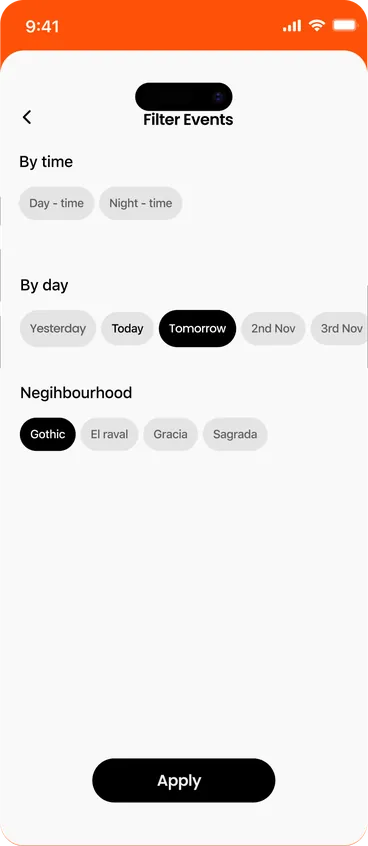
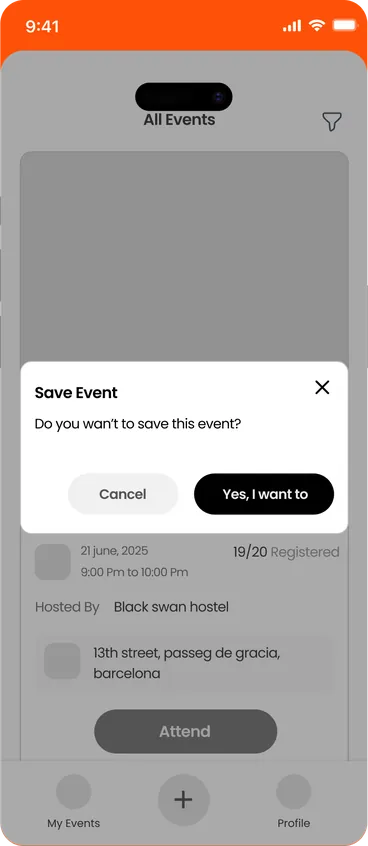
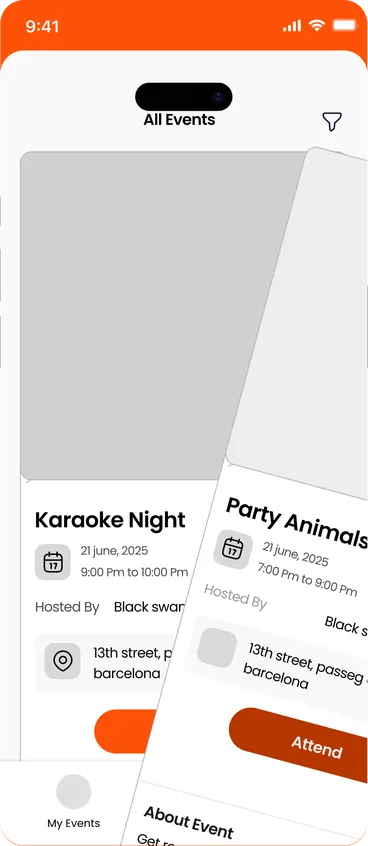
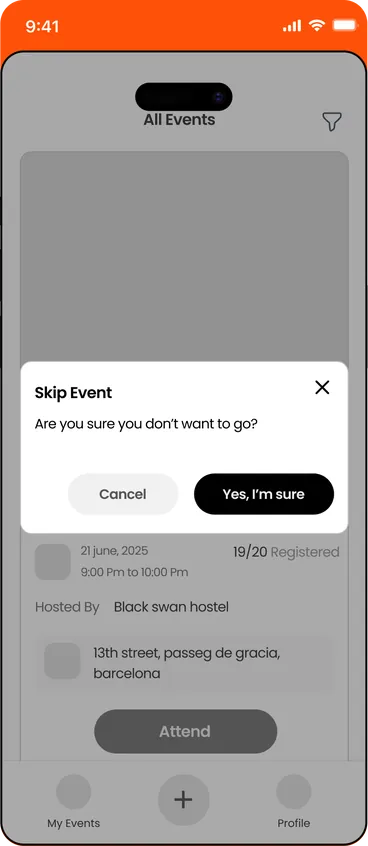
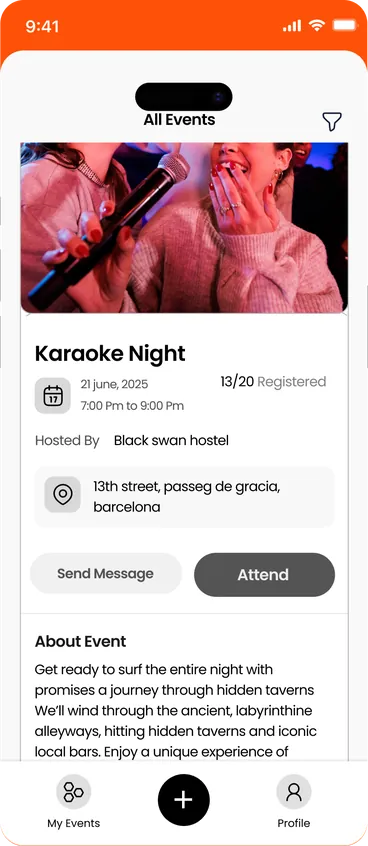
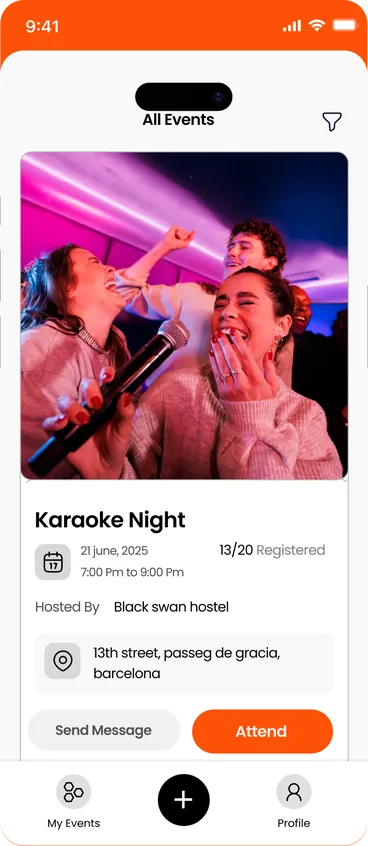
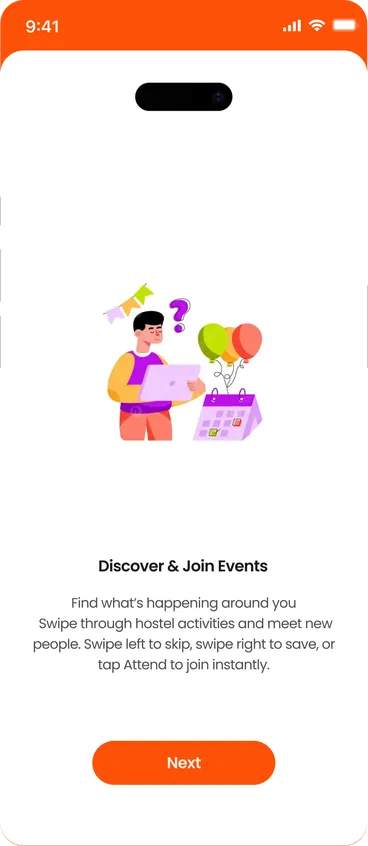
Hostelhive is a product that solves this gap by surfacing all hostel events across a
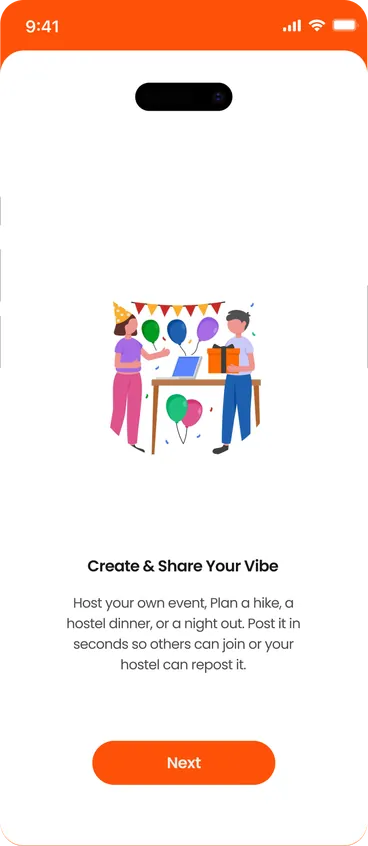
city in one place, allowing travelers to discover, join, and even host events regardless
of where they are staying.
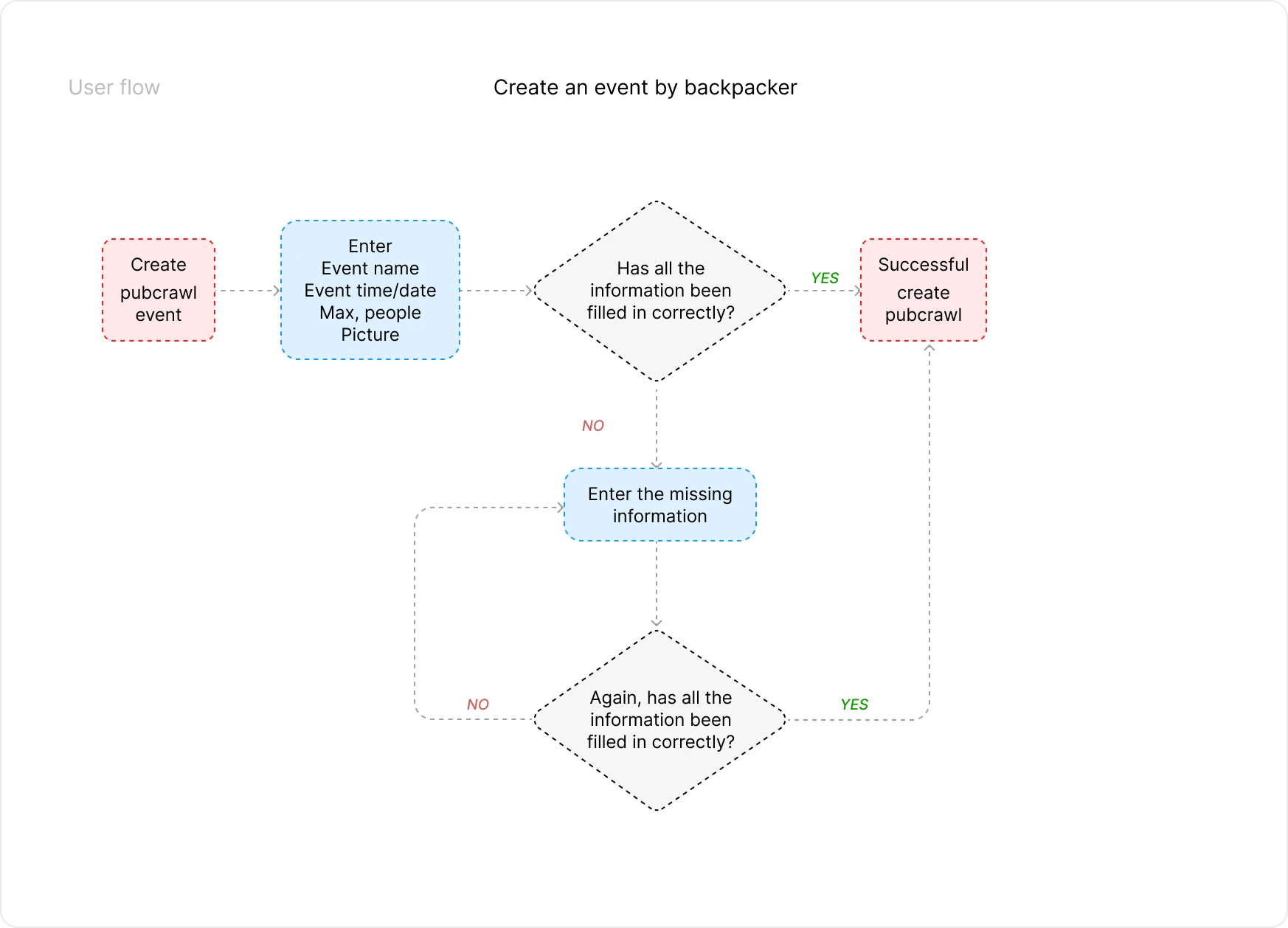
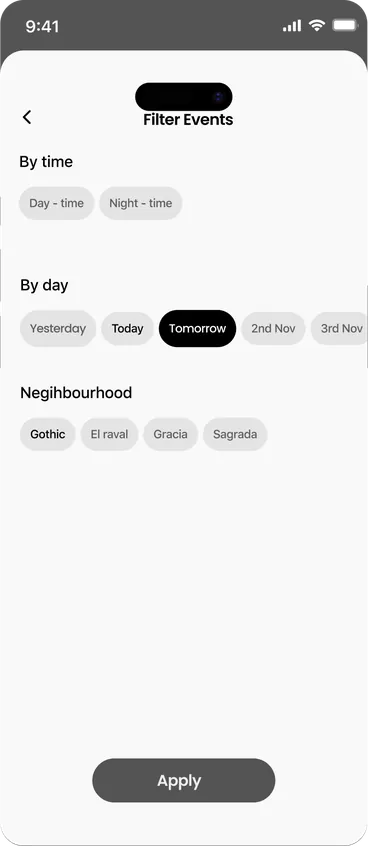
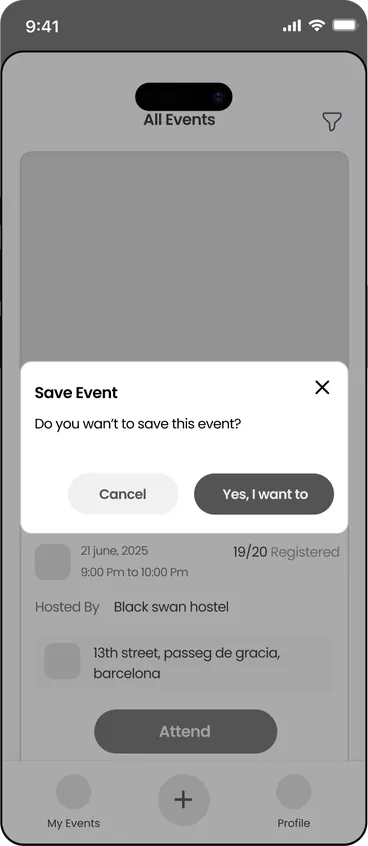
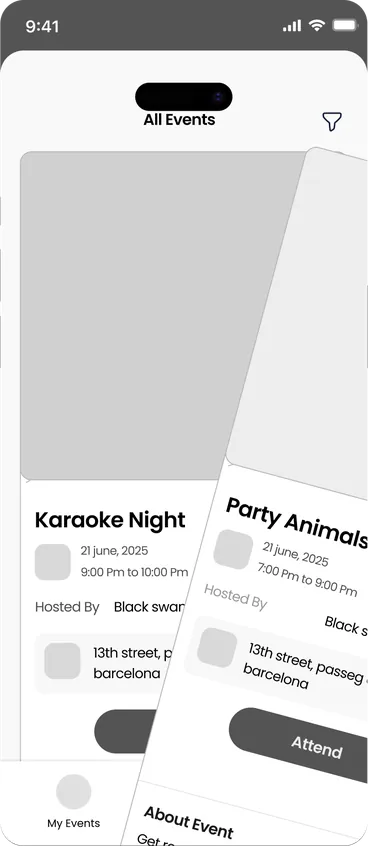
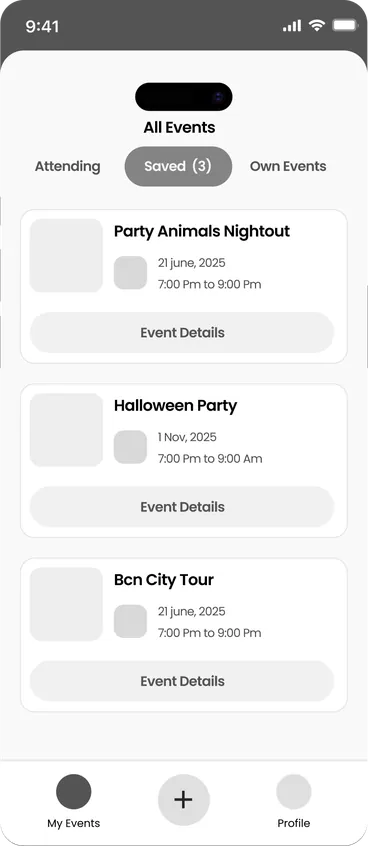
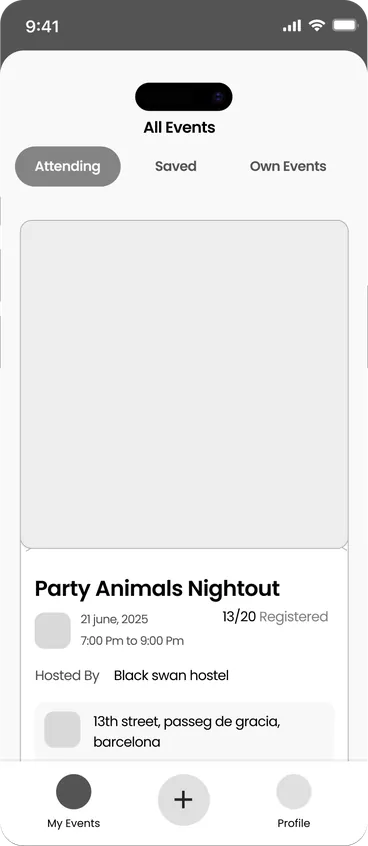
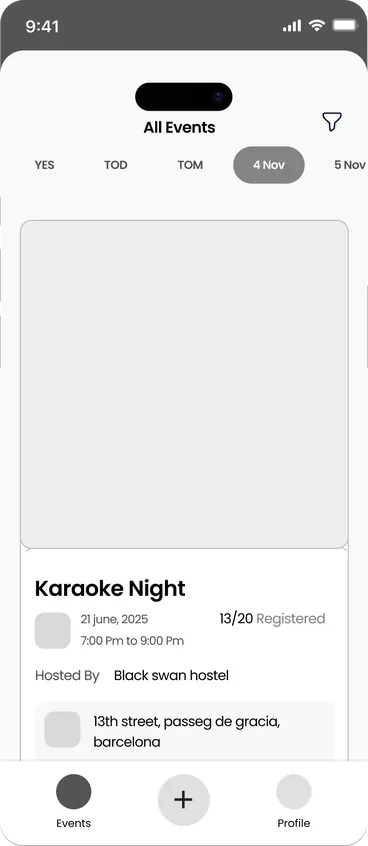
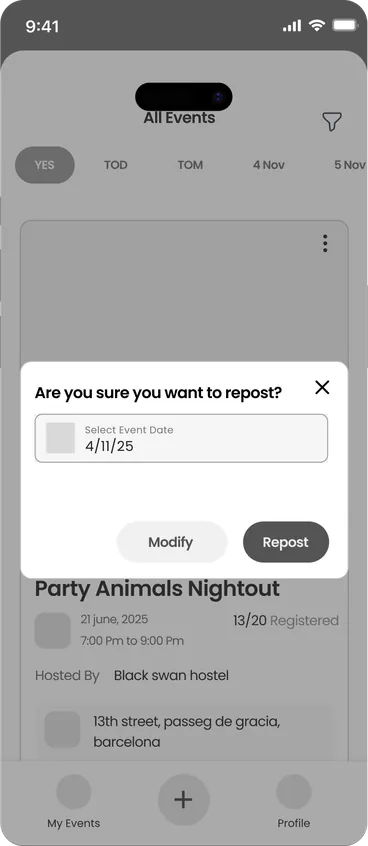
Due to time constraints, we focused on creating detailed wireframes and complete user
flows. The UI design phase will follow 😊
- Product designer
- Role
- Shivam, Hengsrun, Abhishek
- Team
Problem
While 8 out of 10 backpackers actively join hostel events,
only around 30% of
hostels actually organize social experiences consistently.
This creates:
- Fragmented event discovery
- Missed social opportunities
for travelers
- Operational challenges for hostels
As a result, travelers struggle to find activities nearby, even in highly social
backpacking destinations.
Research and Understanding
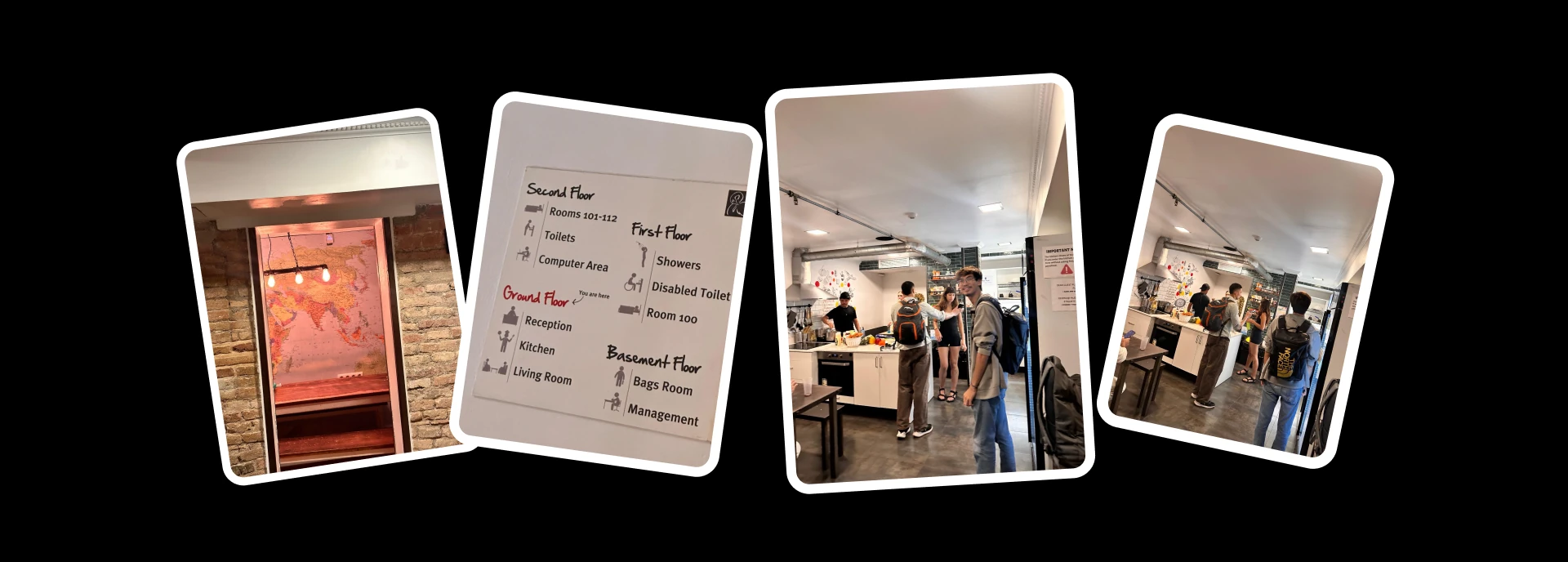
- 18 - 25Hostel operators interviewed
- 23Backpackers interviewed
- 18 - 25Age
- 14Countries
Market insight
- Gen Z travelers value experiences over accommodation
- Hostel culture thrives on social energy, yet discovery of events is broken.
- Events are often:
Limited to one hostel
Poorly communicated (flyers,
WhatsApp groups, word‑of‑mouth)
Missed by late arriving guests
Core problem
- Backpackers want to socialize, but:
They don’t know what’s happening
They don’t know who will show up
They don’t feel confident hosting events themselves
Process
Before jumping into solutions, we noticed that not all backpackers seek the same kind of
social experience. Designing one generic “social feature” would either overwhelm some
users or under-serve others.
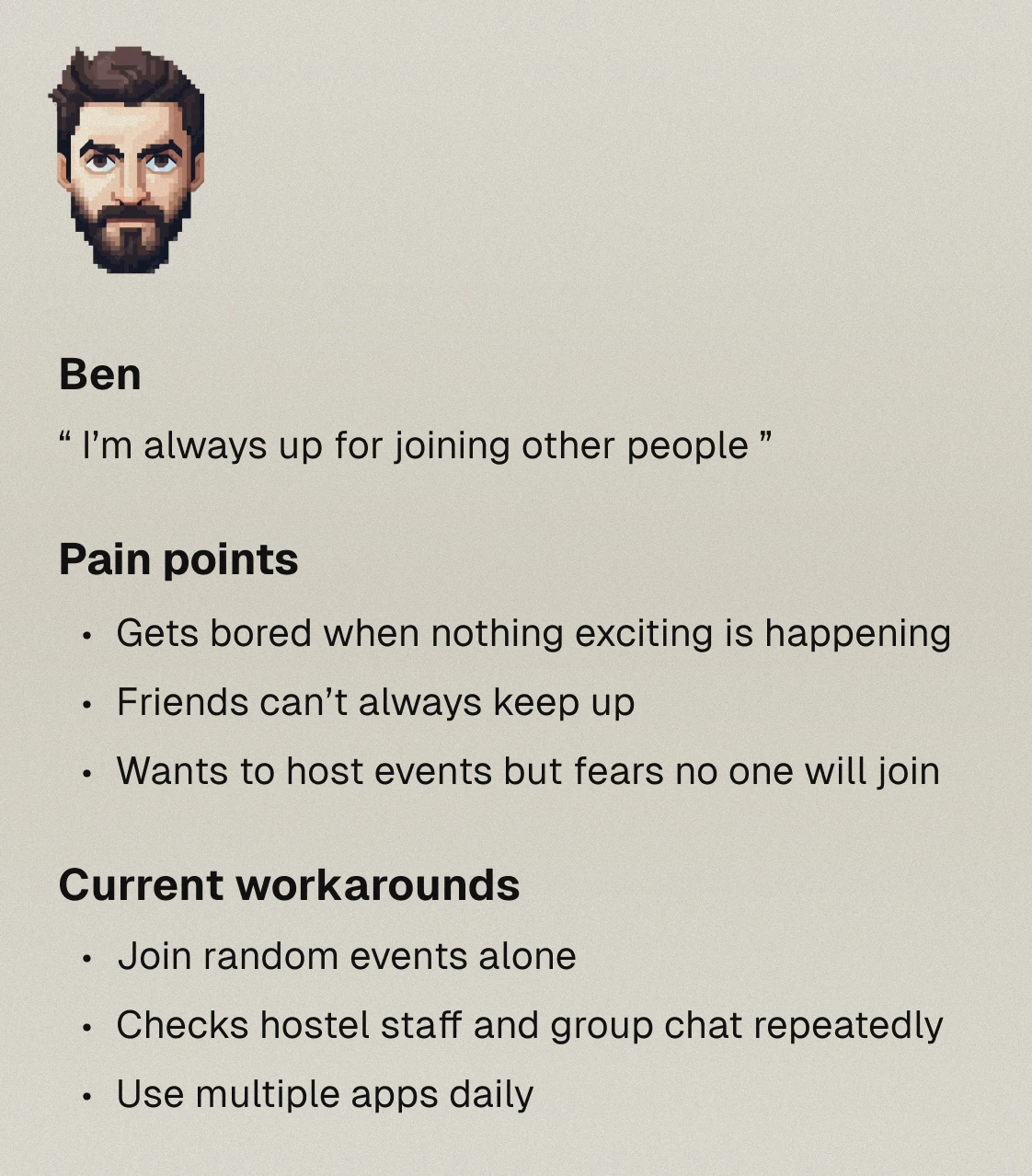
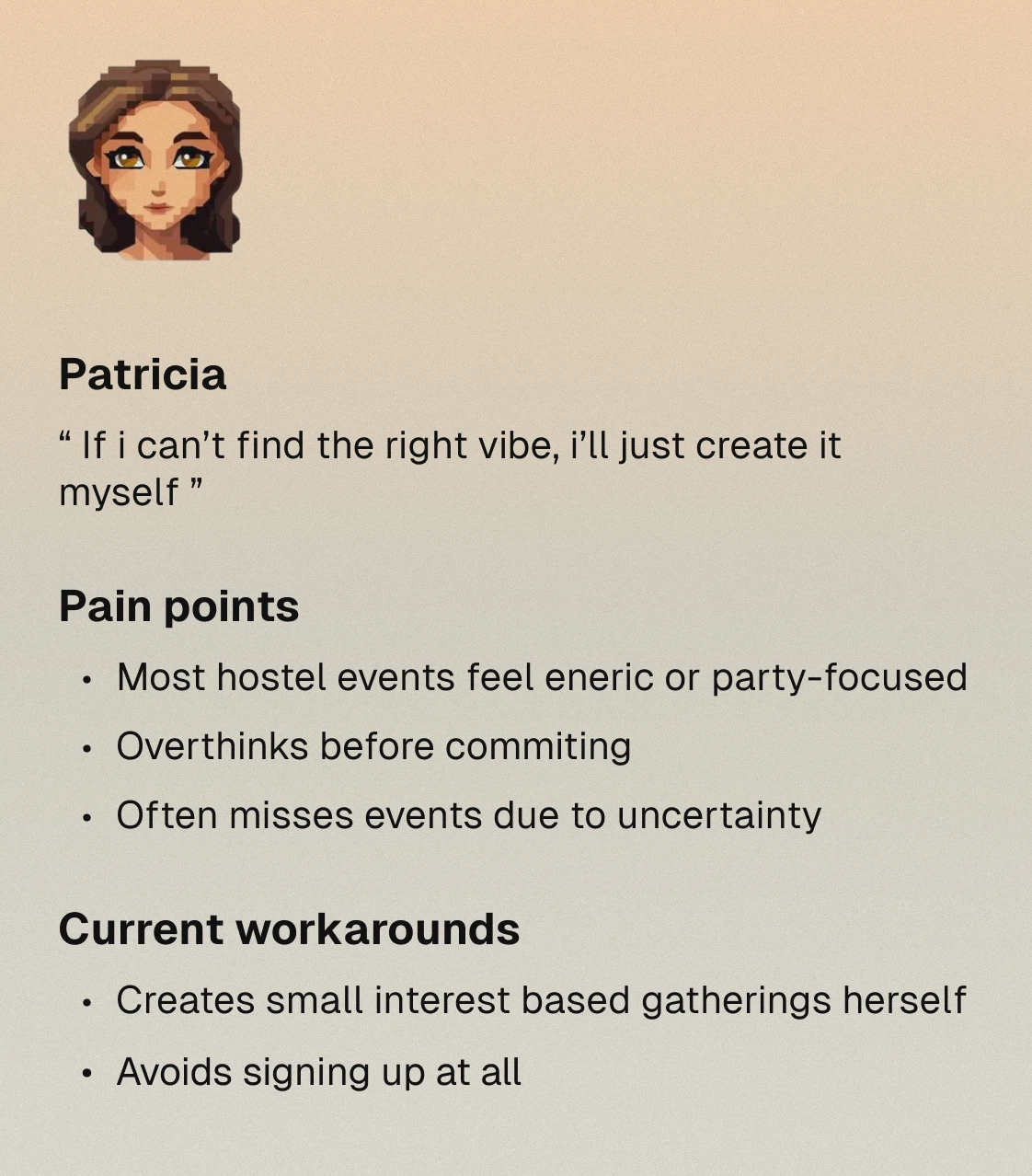
To avoid designing for assumptions or personal bias, we clustered repeated behavior
patterns from interviews into clear behavioral archetypes. These are not fictional
profiles, they are decision-making tools.
We mapped out Lonely Planet’s ecosystem of products and services as an easy way to
understand and visualise Lonely Planet’s offerings and to see if any areas of
opportunity presented themselves.
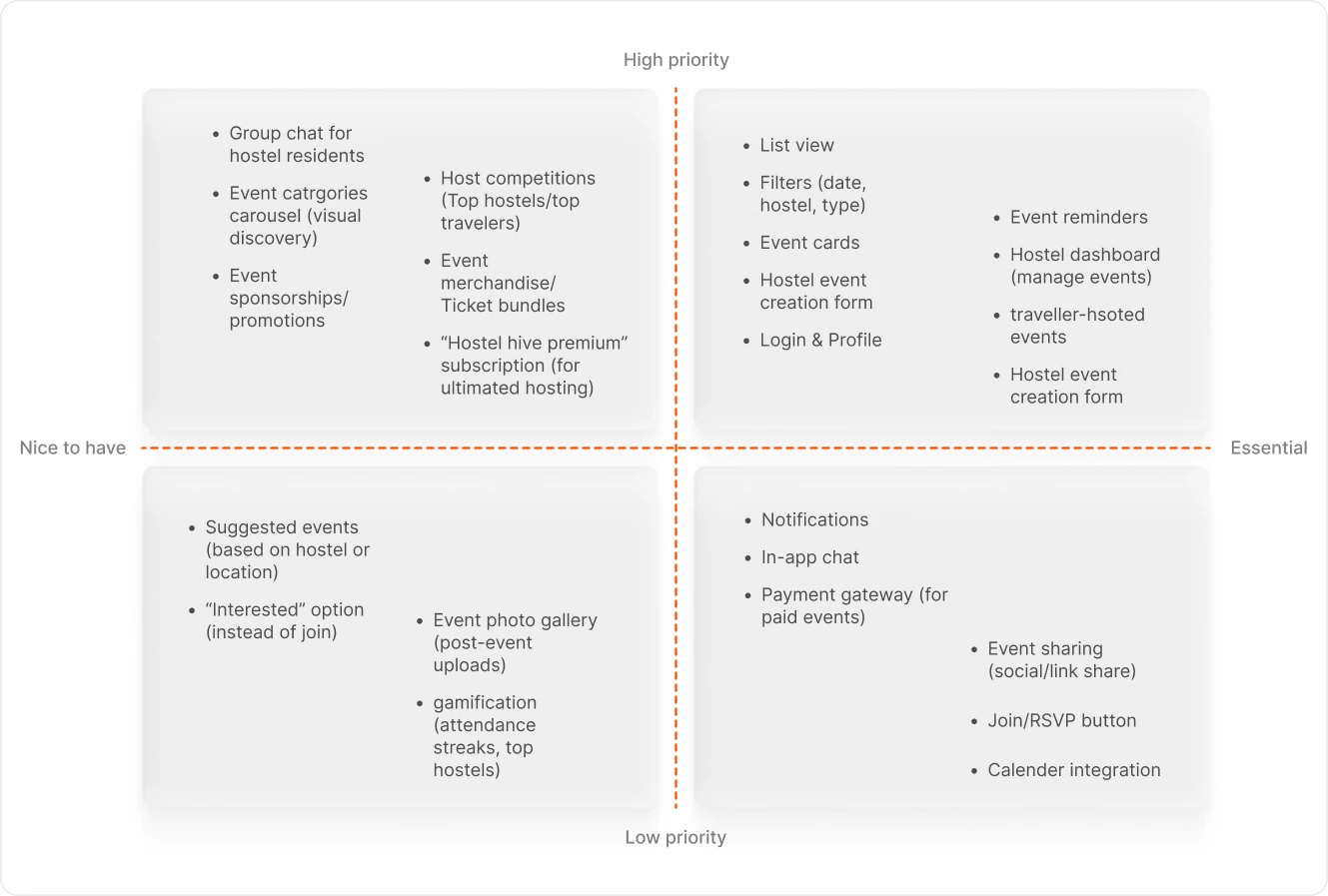
To define the scope of the MVP, we evaluated potential features based on user value,
business relevance and implementation effort. This helped us identify which features were
essential for the initial experience and which could be deferred.
Features that delivered high value with lower complexity were prioritised for the MVP,
while others were intentionally left for future iterations. This ensured the product
remained focused, lightweight, and realistic to build.
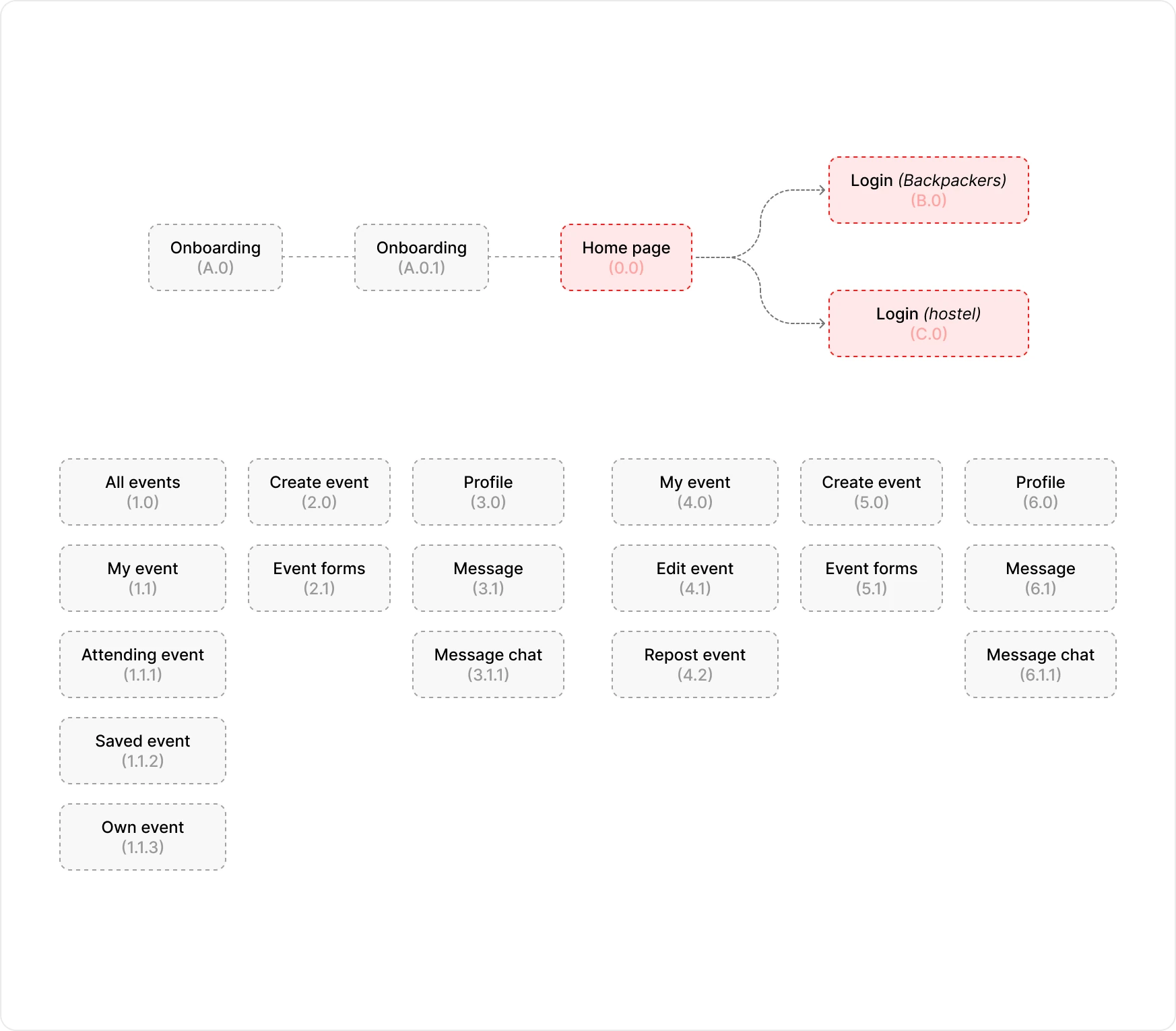
To support quick decision-making in a travel context, the information architecture was
kept intentionally simple. The structure prioritises event discovery and participation,
while keeping secondary actions accessible without overwhelming the user.
Key sections were organised around core traveler goals like discovering events, managing
participation, and hosting events ensuring the experience remained clear even for
first-time users.
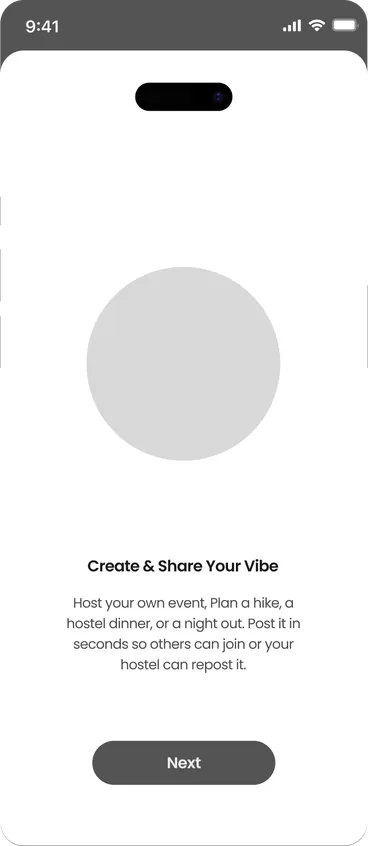
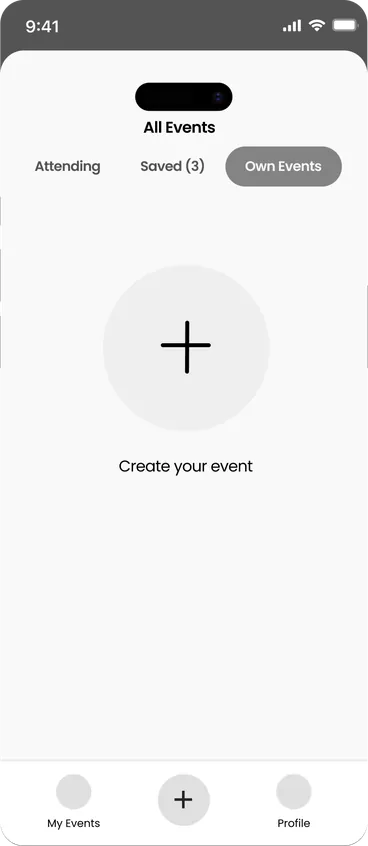
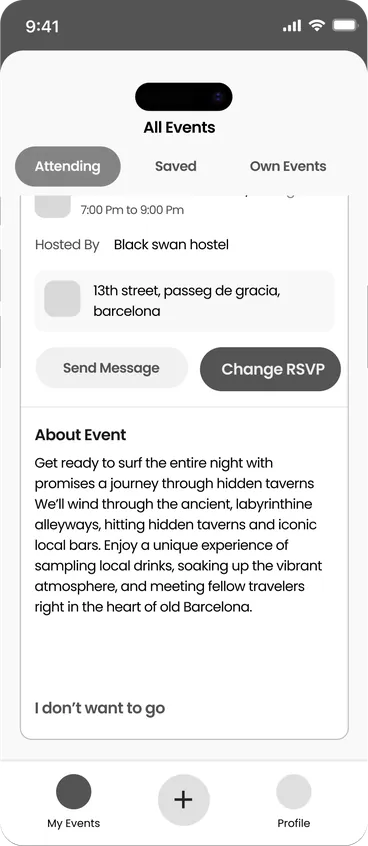
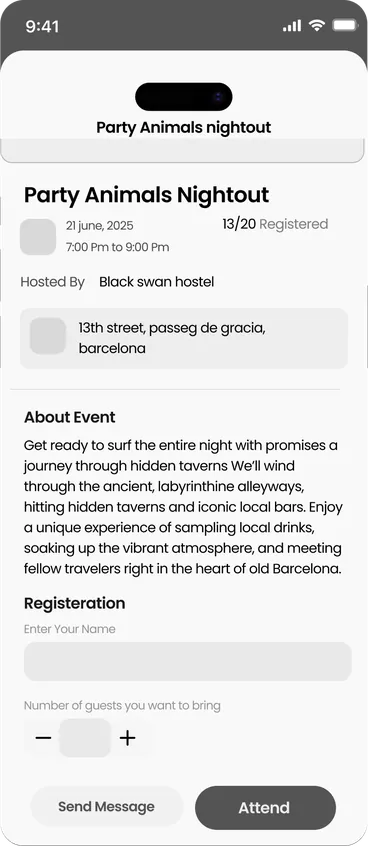
Final product
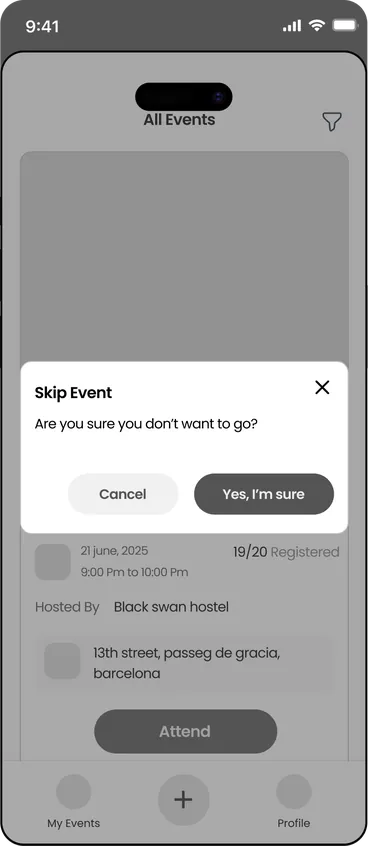
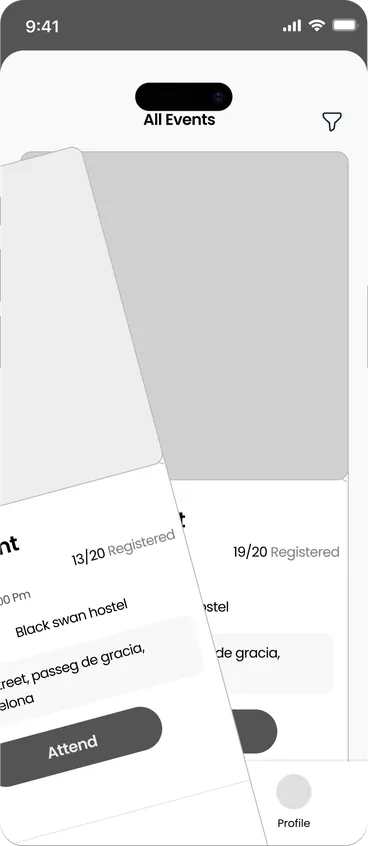
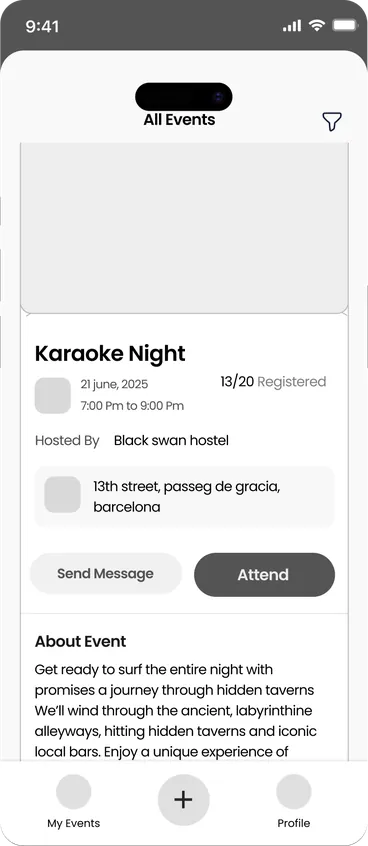
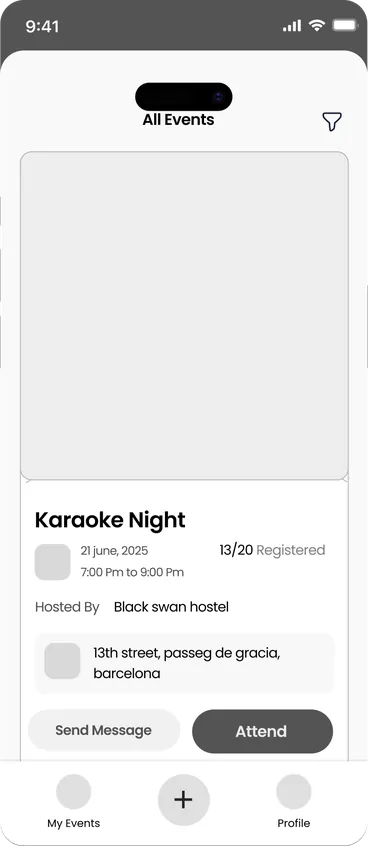
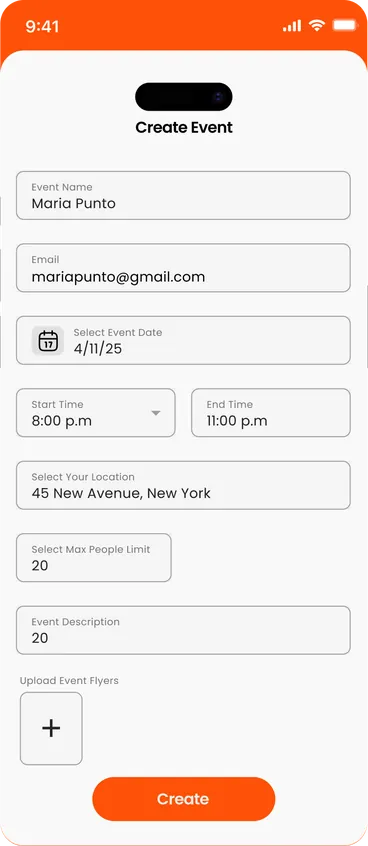
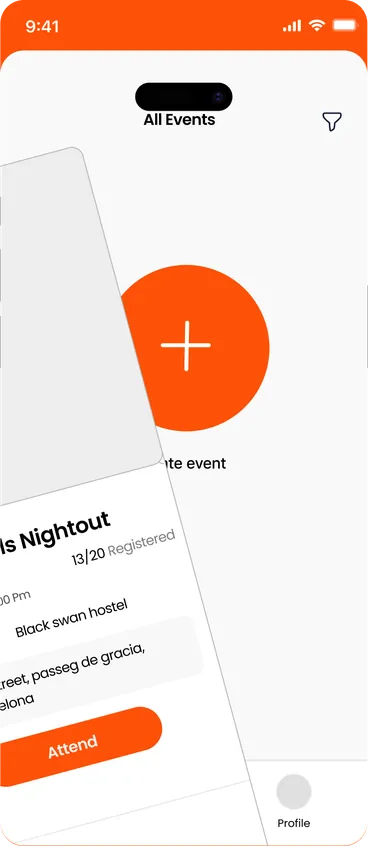
The final solution created a centralized platform for discovering hostel events across a
city, making social experiences more accessible for backpackers regardless of where they
stayed.
Key takeaways
- Design for the ecosystem
Working with both backpackers and hostel operators
showed us that solving one side of the experience isn’t enough. The product needs to
create value for both sides for the experience to work.
- Relevance matters more than more choices
Our research showed that travelers
have very different expectations from social experiences. This pushed us to think
beyond simply listing events and focus on helping people find something that fits
them.
- Validate before polishing
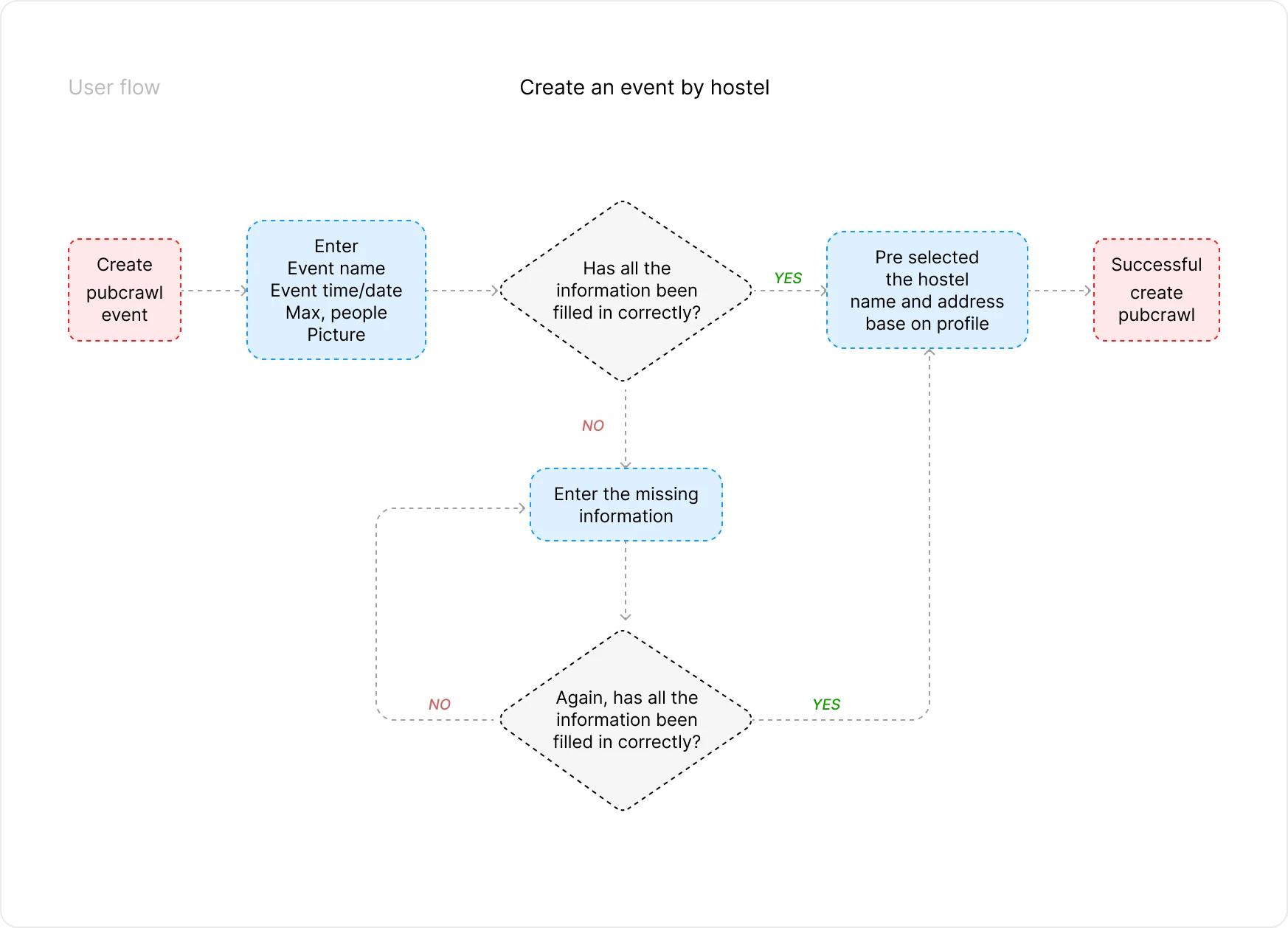
The wireframing phase helped us focus on the core
experience before investing in visual design. The next step would be testing these
flows with real travelers and hostel operators.